


Summer’s heat is just around the corner, and the last thing we want is our air conditioner giving up on us. Before the really hot days hit, we need to figure out if our AC unit is ready for the challenge. This means looking at its current state and deciding if it’s time for a fix or if we should start thinking about a new one. It’s a big decision, and getting it right now can save us a lot of trouble and money later on. We’ll help you sort through the signs and understand when ac repair or replacement makes the most sense for our homes.
Key Takeaways
- We should check our AC for warning signs like strange noises, poor cooling, or high energy bills to see if it needs attention before summer.
- Understanding how old our AC unit is helps us guess how much longer it might last and if repairs are worth the cost.
- Deciding between ac repair or replacement depends on the age of the unit, the cost of repairs, and how much longer we expect the system to work well.
Assessing Your Air Conditioner’s Condition
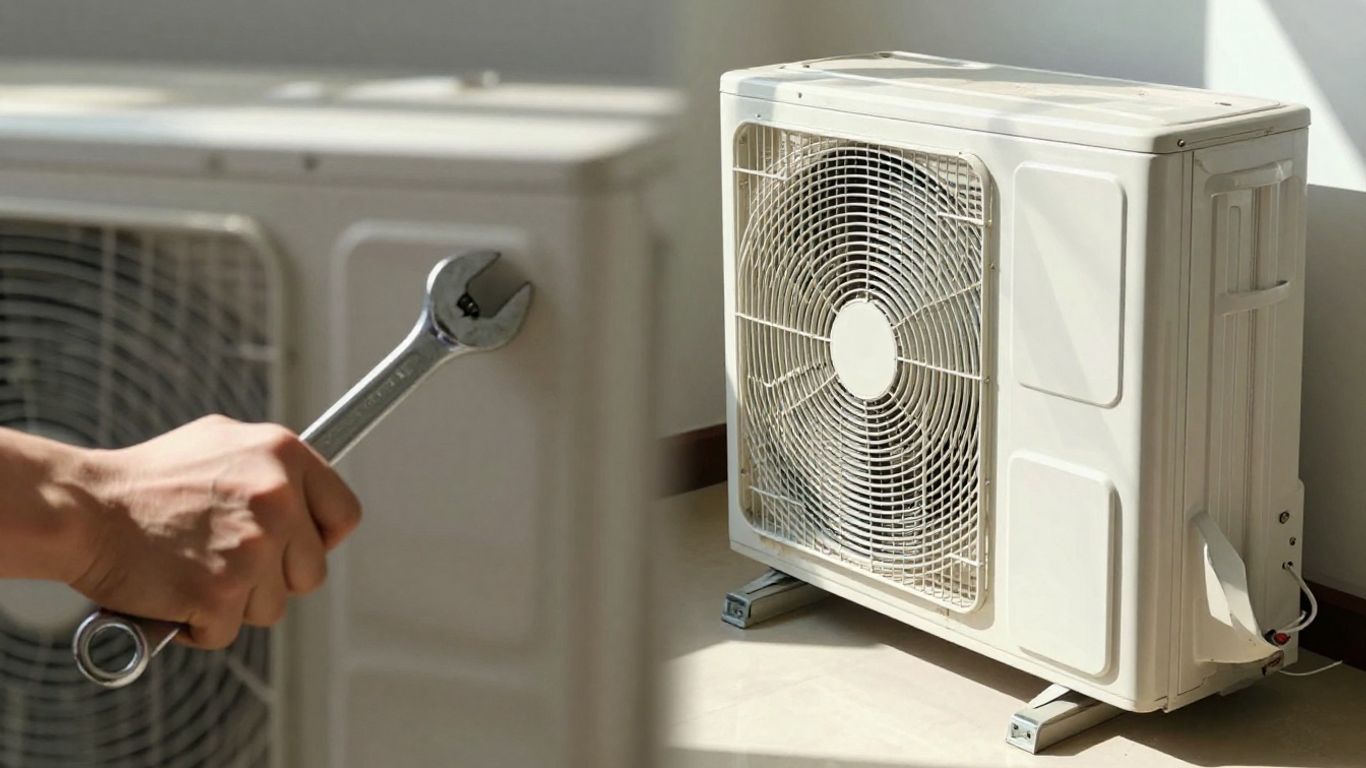
Before we even think about repair versus replacement, we need to get a good look at what’s going on with our current AC unit. It’s easy to just turn it on and expect cool air, but sometimes, our systems give us signals that something isn’t quite right. Paying attention to these signs can save us a lot of trouble and money down the line.
Signs Your AC Needs Professional Attention
Sometimes, the issues with your air conditioner are pretty obvious. Other times, they’re a bit more subtle. We should be on the lookout for a few key things:
- Strange Noises: Is your AC suddenly making grinding, squealing, or banging sounds? These aren’t normal operational noises and usually point to a mechanical problem, like a loose part or a failing motor.
- Weak Airflow: If the air coming out of your vents feels weak or isn’t as cold as it used to be, it could mean a few things. The refrigerant might be low, or there could be a blockage in the ductwork or a problem with the fan.
- Unusual Smells: A musty or burning smell coming from your vents is a definite red flag. Musty smells can indicate mold growth inside the unit or ducts, while a burning smell could signal an electrical issue that needs immediate attention.
- Frequent Cycling: If your AC turns on and off much more often than it used to, this is called short cycling. It’s inefficient and puts extra strain on the system, often pointing to a thermostat issue or an oversized unit.
- High Energy Bills: A sudden jump in your electricity bill, especially when you haven’t changed your usage habits, can be a sign that your AC is working harder than it should to keep your home cool.
We often wait until the AC completely stops working before we call for service. However, noticing these smaller issues early can prevent a complete breakdown during the hottest part of summer, which is always the most inconvenient and expensive time for repairs.
Understanding The Lifespan Of Your Cooling System
Knowing how long AC units typically last helps us decide if a repair is just a temporary fix or if it’s time for a new system. Most central air conditioners, with regular maintenance, tend to last between 10 to 15 years. Of course, this can vary based on the brand, how often it’s used, and the climate you live in.
Here’s a general idea:
- 10-12 Years: This is a common lifespan for many units. If your AC is in this range and starting to show problems, you might be looking at more frequent repairs.
- 15+ Years: If your unit is older than 15 years, even if it’s working okay now, it’s likely less efficient than newer models. A major repair on an older unit might not be worth the investment.
The age of your system is a significant factor when considering repair versus replacement. An older unit that needs a costly repair might be a sign that it’s nearing the end of its life anyway, and putting money into it could be like throwing good money after bad.
Making The Smart Choice: Ac Repair Or Replacement
Deciding whether to fix your air conditioner or buy a new one can feel like a big puzzle, especially when summer heat is just around the corner. We’ve all been there, staring at a bill or a broken unit, wondering what makes the most sense for our wallets and our comfort. Let’s break down when a repair makes sense and when it’s time to look at a new system.
When AC Repair Is The Economical Option
Sometimes, a simple fix is all that’s needed to get your AC running smoothly again. If your unit is relatively new and the problem is minor, repair is often the way to go. Think of it like fixing a leaky faucet instead of redoing your whole kitchen. We usually lean towards repair when:
- The issue is a common, straightforward problem like a clogged drain line, a faulty capacitor, or a thermostat malfunction.
- The air conditioner is less than 10 years old and has been generally well-maintained.
- The cost of the repair is significantly less than half the price of a new system. A good rule of thumb is if the repair cost is more than 50% of a new unit’s price, it might be time to reconsider.
- The problem doesn’t involve major components like the compressor or the evaporator coil, which are very expensive to replace.
We’ve found that for many common issues, a skilled technician can get your system back online without breaking the bank. It’s about getting the most life out of your current equipment when it makes financial sense.
Sometimes, a small repair can feel like a big win, especially when you’re trying to keep costs down. It’s about making the most practical choice for your home right now.
When Replacement Becomes The Better Investment
On the flip side, there are times when pouring money into an old AC unit just doesn’t add up. If your system is showing its age or has had multiple problems, replacement might be the smarter long-term move. We start thinking about replacement when:
- Your air conditioner is 15 years old or older. Like most appliances, AC units have a lifespan, and pushing them too far past their prime often leads to more frequent and costly repairs.
- You’ve had several repairs in the last few years. A string of issues can signal that the system is generally failing.
- The needed repair involves a major, expensive component like the compressor or the evaporator coil. Replacing these parts can cost almost as much as a new unit, but without the benefits of modern efficiency.
- Your current unit is not very energy efficient. Newer models use significantly less electricity, which can lead to noticeable savings on your monthly utility bills over time.
| Factor | Repair Scenario | Replacement Scenario |
|---|---|---|
| Age of Unit | Under 10-12 years | 15+ years |
| Repair Cost | Less than 50% of new unit cost | More than 50% of new unit cost, or multiple major repairs |
| Frequency of Issues | Isolated incident | Recurring problems |
| Energy Efficiency | Still reasonably efficient | Significantly outdated, high energy bills |
While the upfront cost of a new air conditioner can seem high, the long-term benefits of improved efficiency, better reliability, and a warranty often make it a worthwhile investment for your home’s comfort and your peace of mind.
So, What’s the Verdict?
As summer heat starts to creep in, deciding whether to fix that old AC or get a new one can feel like a big choice. We’ve looked at the signs that point to repair and the moments when replacement just makes more sense. Ultimately, the best path for us often comes down to weighing the costs, considering the age of our current unit, and thinking about how much longer we expect it to last. It’s not always a clear-cut answer, but by looking at these factors, we can make a more informed decision to keep our homes cool and comfortable without breaking the bank. Don’t wait until the first heatwave hits to figure this out; take some time now to assess your situation.
Frequently Asked Questions
How often should we get our air conditioner checked?
We recommend having your AC unit looked at by a pro at least once a year, ideally before the hot summer months arrive. This helps catch small issues before they become big, expensive problems and ensures your system is ready to keep us cool when we need it most.
What are the main signs that our AC might need fixing?
Keep an ear out for strange noises like grinding or squealing coming from the unit. If we notice that our home isn’t cooling as well as it used to, or if the AC is blowing warm air, those are clear signals. Also, if our energy bills suddenly jump up without a clear reason, it could mean the AC is working harder than it should, signaling a problem.
If our AC is old, does that automatically mean we should replace it?
Not necessarily. While older units do tend to break down more often and might not be as energy-efficient, a well-maintained older AC can still serve us reliably for a while longer. We should weigh the cost of frequent repairs against the price of a new, more efficient unit. Sometimes, a repair is the smarter move, especially if the system isn’t too far past its prime.
